
Pilates for Aging Well: Staying Strong, Mobile, and Moving at 70
The fitness advice aimed at older adults is usually some version of "take it easy" — gentle walks, light stretching, don't overdo it. It's bad advice. The thing that actually keeps you strong, steady, and independent as you age isn't taking it easy. It's loading your body in a controlled, progressive way. That's exactly what reformer Pilates does, and it's why it's one of the best things you can do in your 60s, 70s, and beyond.
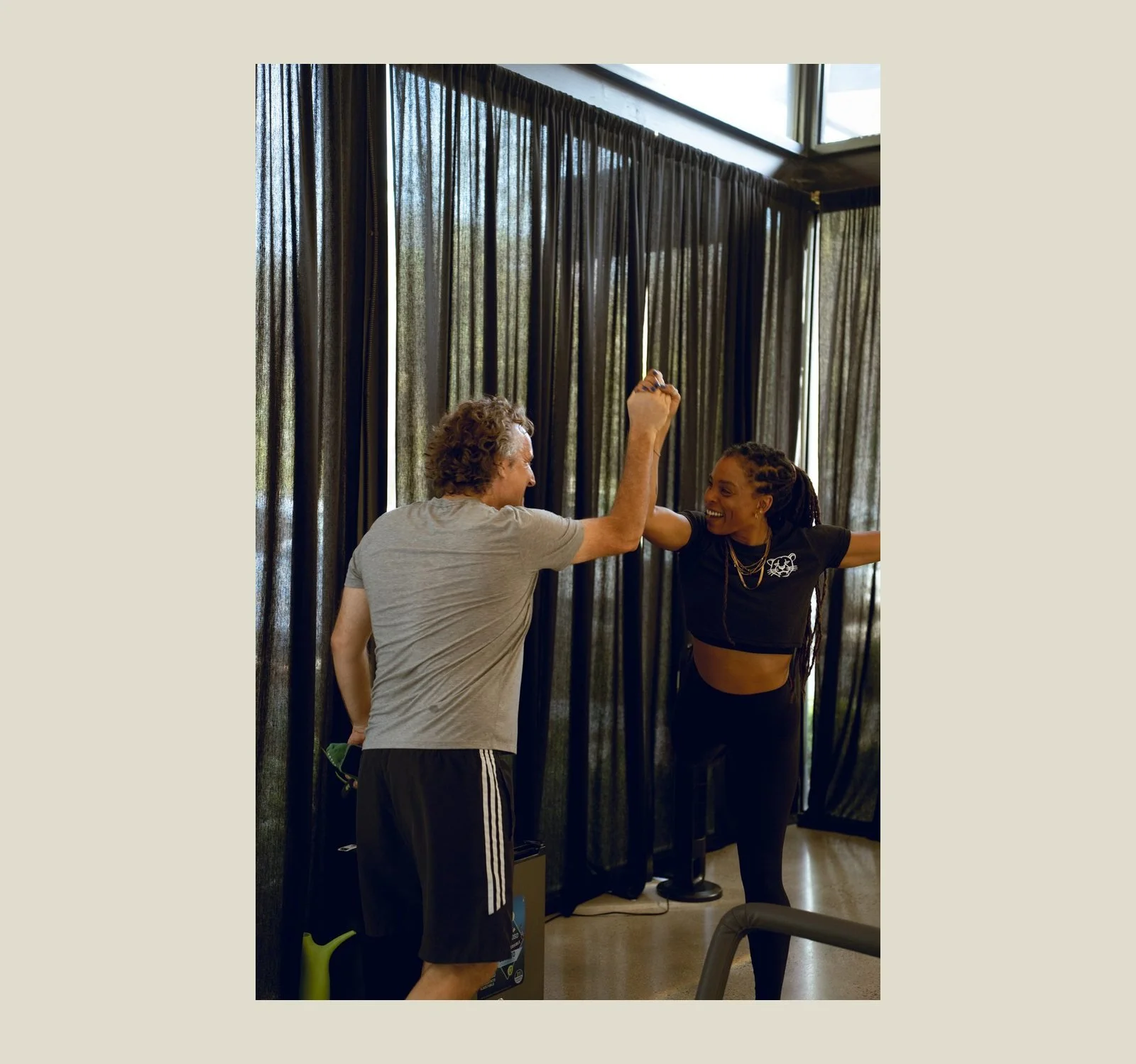
The real enemy is muscle loss, not age
After about 30, you lose muscle steadily — and the loss speeds up after 60 if you do nothing about it. Less muscle means less strength, worse balance, weaker bones, and a slow slide toward not being able to do the things you want to do. The fix is resistance: working your muscles against load so they have a reason to stay. Reformer Pilates is resistance training with the dial turned exactly where you need it — the springs let the work start light and build as you get stronger. That's Progressive Challenge, the Method's second pillar, and it matters more with age, not less.
Balance is trainable, and it's the one that keeps you independent
Falls are the thing that ends independence for a lot of older adults, and balance is what prevents them. Balance isn't luck or genetics — it's stabilizer strength plus proprioception, your body's sense of where it is in space. The reformer trains both directly, because the carriage moves: every exercise is performed on a sliding surface, so your stabilizers work and your balance sharpens every session. Better balance is the difference between a stumble you catch and a fall you don't.
It's loading without the pounding
Older joints often can't take high-impact exercise, and they shouldn't have to. The reformer gives you meaningful resistance while you're supported — lying down or seated, with controlled, smooth load and no jarring. You build strength and work toward better bone health through resistance, without the impact that aggravates arthritic knees, hips, and backs. For anyone managing osteoporosis or a specific joint condition, check with your doctor first — then bring it to the studio, because this is the kind of work most bodies can do safely with the right adjustments.
Why the small class matters more as you age
Older bodies are individual — different histories, different surgeries, different ranges. A class of fifteen can't account for that. Our classes cap at six, so the instructor sees you, knows your limits, and adjusts the work to your body in real time (Precision First). That individual attention is what makes reformer training appropriate and safe at any age, not just possible.
It's not too late — that's not a platitude
Starting resistance work in your 60s or 70s still builds strength, still improves balance, still pays off. The research on this is consistent: bodies respond to training at every age. The people who start are reliably better off a year later than the people who decided they were past it.
FAQ
Is Pilates good for older adults?
Yes — it's one of the best options. Reformer Pilates builds strength and balance with controlled, adjustable resistance and no high impact, which directly targets the muscle loss, balance decline, and joint sensitivity that come with age. It also supports bone health and the functional strength that keeps you independent.
Is reformer Pilates safe if I'm over 60 or 70?
For most people, yes. The reformer supports your body while you work, the load is smooth and adjustable, and in a small class the instructor adjusts every exercise to your ability. Anyone with a specific condition should check with their doctor first, then the work can be tailored accordingly.
Can Pilates help with balance and preventing falls?
Yes. The reformer's moving carriage trains the stabilizer muscles and proprioception that balance depends on. Improving balance is one of the most effective ways to reduce fall risk and protect independence as you age.
Is Pilates good for bone density?
Resistance and loaded movement support bone health, and reformer Pilates provides that without high impact. It's a useful part of a bone-health routine, though anyone managing osteoporosis should coordinate with their doctor on the right approach.
Can I start Pilates if I've never really exercised, or I'm in my 70s?
Yes. Reformer Pilates starts at whatever level you're at and progresses from there, and bodies build strength and balance at every age. Starting now is far better than not starting, and a small class means you'll be guided carefully from the first session.
Reformer Pilates, six people max, in Nosara. See class times and book.