
Pilates Teacher Training in Costa Rica: What to Know Before You Certify
If you're thinking about certifying to teach reformer Pilates, where you train matters almost as much as what you learn. Here's what a reformer instructor certification in Costa Rica actually involves, who it's for, and how to think about it before you commit.
Why train in Costa Rica
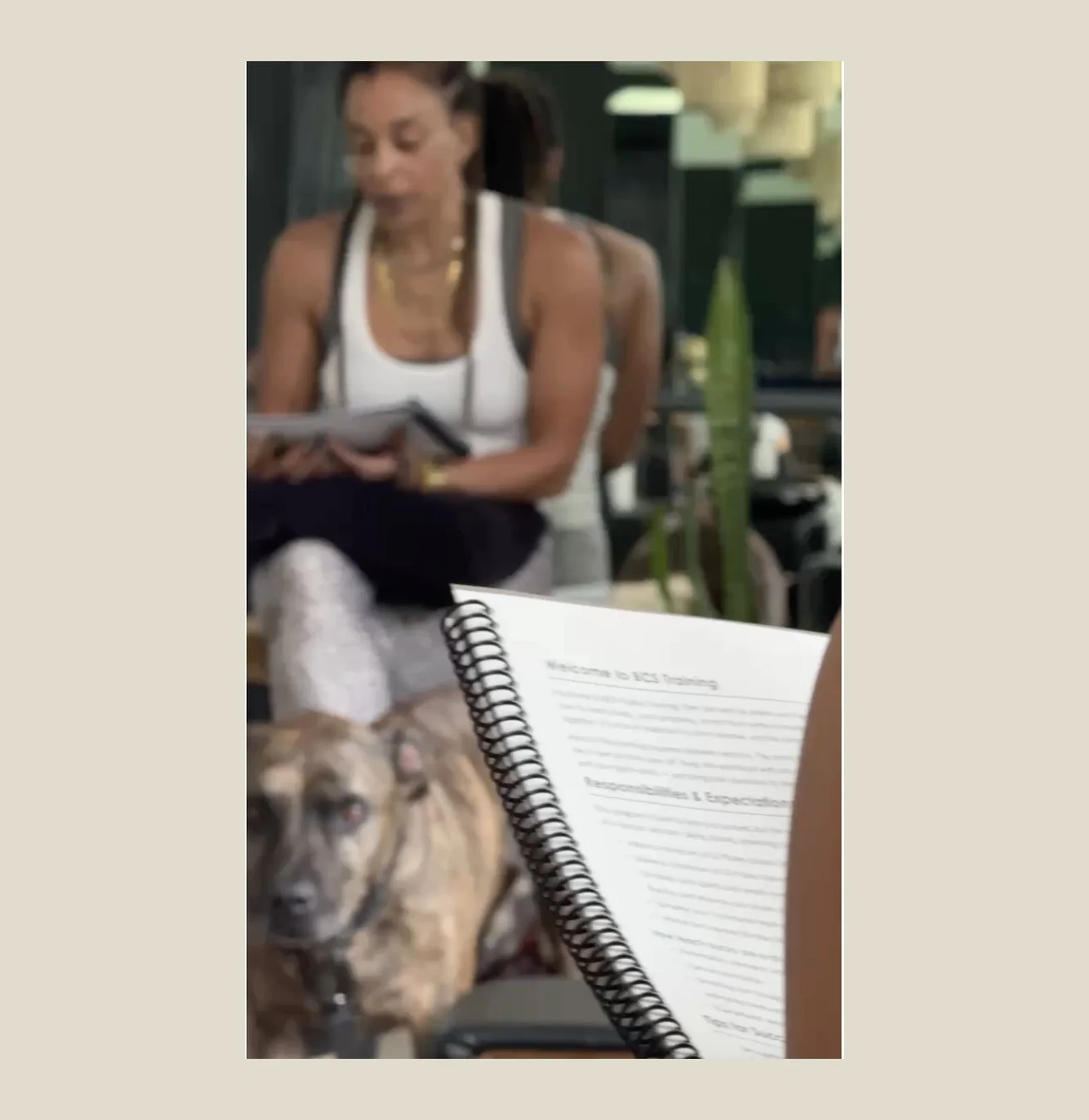
Most teacher trainings happen in a studio in a city, on a schedule built around getting you in and out. Training in Nosara is a different proposition: a small cohort, in a destination people travel to specifically to slow down and move, with the ocean a few minutes from the studio. You're not squeezing certification into your normal life — you're stepping out of it to learn properly. For a lot of people, that focus is the difference between passing a course and actually becoming a teacher.
What the certification covers
The Black Cat training is a reformer-focused instructor certification — 80+ hours — built on the Black Cat Method. You don't just learn the exercises; you learn the framework for teaching them: how to cue precisely for an individual body, how to progress a client through levels, and how to connect reformer work to real movement rather than choreography. Those are the Method's three pillars — Precision First, Progressive Challenge, Functional Integration — and they're what separates an instructor who can run a class from one who can actually change how someone moves.
Who it's for
You don't need to already be an instructor, but you should be a comfortable, regular practitioner who knows the reformer from the client side. It suits people moving from a serious personal practice into teaching, current group-fitness or yoga instructors adding reformer to what they offer, and practitioners who want a credential earned in small-cohort, hands-on training rather than a large impersonal course.
On certification and what comes after
This is a Black Cat Studio certification in the Black Cat Method — earned, not bought, and taught in small groups so the teaching is real. Graduates who want to pursue broader, third-party recognition can use it as a foundation toward pathways like the Balanced Body Bridge program. We're direct about what the credential is and what it isn't, which is more than a lot of trainings will tell you up front — and the current details live on the training page.
Small cohorts, on purpose
Cohorts are capped small. You learn to teach by being taught closely — getting your own cueing corrected, practicing on real bodies, and being seen. That doesn't happen in a room of thirty trainees, which is why we don't run one.
FAQ
How long is the Black Cat teacher training?
It's a 80+ hour reformer instructor certification, taught intensively in a small cohort in Nosara, Costa Rica. Current cohort dates are listed on the training page.
Do I need to be an experienced Pilates practitioner to enroll?
You don't need to be a certified instructor, but you should be a comfortable, regular reformer practitioner. The training takes you from knowing the work as a client to being able to teach it.
Is the certification recognized internationally?
It is a Black Cat Studio certification in the Black Cat Method. Graduates who want wider third-party recognition can use it as a foundation toward pathways such as the Balanced Body Bridge program. For specifics on your situation, check the training page or contact the studio.
How big are the cohorts?
Small and capped — the training is hands-on and individually corrected, which only works in a small group. Exact cohort size and dates are on the training page.
Why do teacher training in Costa Rica rather than at home?
Training in a destination like Nosara, in a small cohort, lets you step out of your routine and focus entirely on learning to teach — which most people find produces a better instructor than fitting a course around daily life.
Ready to certify?
Cohort dates, tuition, and the application are on the training program page. That's where this goes next.